
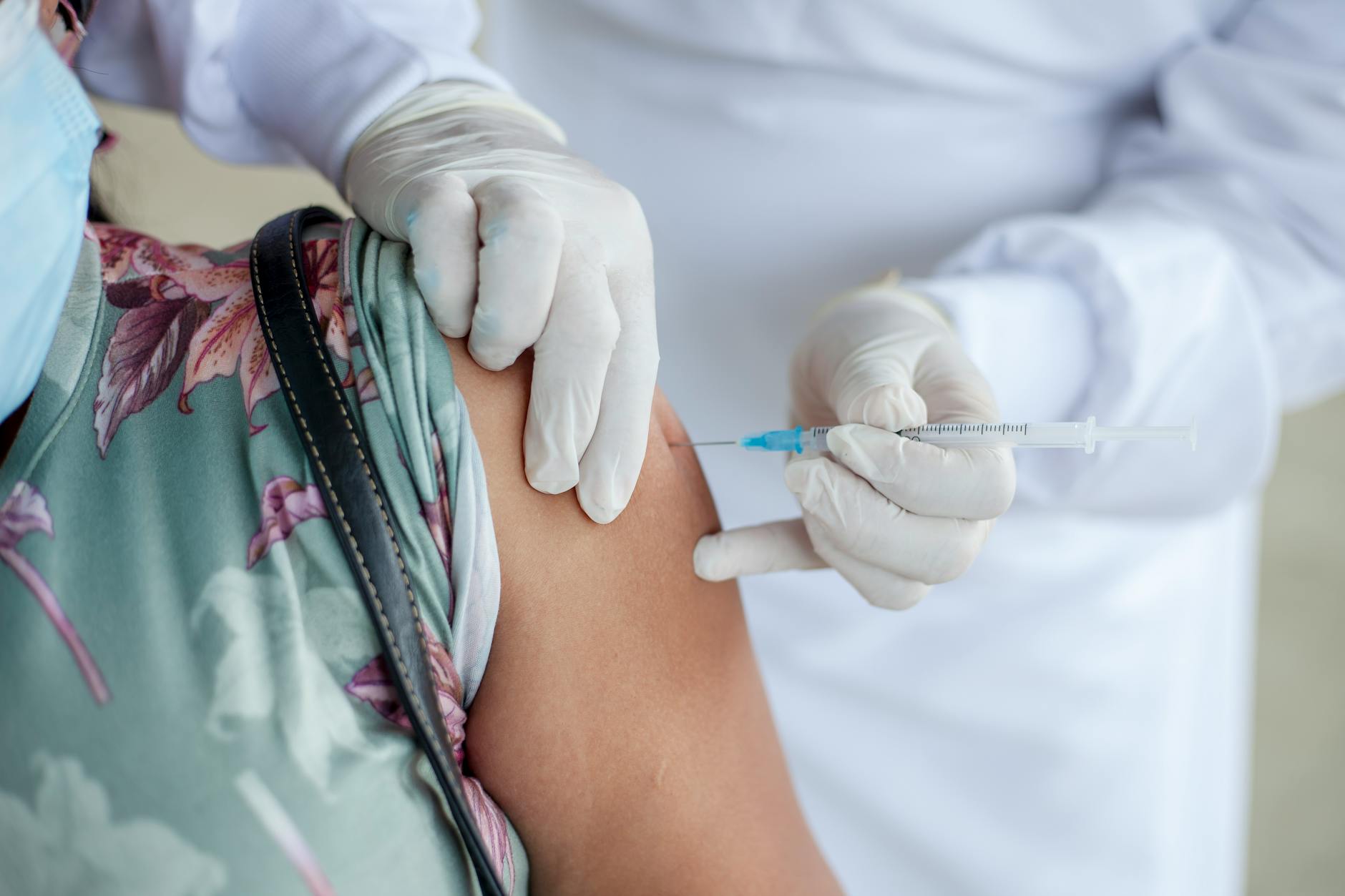
In a landmark and highly controversial decision, Florida has set a course to become the first U.S. state to eliminate all childhood vaccine mandates, a move that has sent shockwaves through the public health community and reignited a passionate national debate. The plan, announced by Governor Ron DeSantis and State Surgeon General Dr. Joseph Ladapo, is framed as a monumental step toward “medical freedom” and a rejection of what they describe as a rigid “medical orthodoxy.” While proponents hail the decision as a victory for parental rights and personal choice, critics warn it is a dangerous and reckless policy that could lead to a resurgence of preventable diseases.
The announcement was made at a news conference where Dr. Ladapo, a figure known for his skepticism toward established public health practices, characterized existing vaccine mandates as “immoral” intrusions and likened them to “slavery.” He declared that the goal was to end “all of them, every last one of them,” although he acknowledged that some changes would require legislative action while others could be handled by the Department of Health. This distinction is crucial, as state law currently mandates vaccines for a number of diseases, including polio, measles, diphtheria, and pertussis, which would require the Republican-controlled legislature to pass new laws. Conversely, the Department of Health can unilaterally lift mandates for vaccines like chickenpox and hepatitis B.
This initiative is a clear continuation of the state’s stance during the COVID-19 pandemic, where it resisted imposing vaccine requirements, mask mandates, and lockdowns. The DeSantis administration has consistently positioned Florida as a leader in challenging federal and medical establishment recommendations, and this latest move is seen as a direct extension of that philosophy. To support this effort, the governor announced the creation of a “Make America Healthy Again” (MAHA) commission, chaired by Lieutenant Governor Casey DeSantis. This commission is tasked with drafting a comprehensive “medical freedom package” for the next legislative session, which will include recommendations on medical consent, parental rights, and challenging what they deem to be data-unsupported medical practices. The name of the commission is a nod to a similar initiative at the federal level, underscoring a deepening political alignment on public health issues between Florida and the current administration.
The decision has been met with a firestorm of criticism from public health experts and medical professionals. Organizations like the American Academy of Pediatrics have voiced deep concerns, with its Florida chapter chair, Dr. Rana Alissa, stating that making vaccines voluntary would put children and school staff at higher risk. These experts point to the fact that vaccine mandates have been a cornerstone of public health for decades, credited with controlling and nearly eradicating deadly diseases. They warn that a rollback of these requirements could lead to a catastrophic public health crisis, citing the current rise in measles and whooping cough cases nationwide as a harbinger of what could happen if vaccination rates plummet.
Furthermore, critics argue that the policy is particularly dangerous given Florida’s already lagging vaccination rates compared to the national average. They fear that removing the mandate will not only put students at risk but also extend the danger to vulnerable populations, such as infants, the elderly, and those with compromised immune systems. Law and public policy experts have also weighed in, with some calling Florida’s plan an “unfortunate natural experiment” that uses children as “guinea pigs.” The debate underscores the broader politicization of public health, with policy decisions increasingly driven by political ideologies rather than scientific consensus. As Florida prepares to chart this new course, the rest of the nation watches closely, with the potential for other states to follow suit, further fragmenting the country’s approach to health policy and raising profound questions about the future of vaccine-preventable diseases.
Leave a Reply