
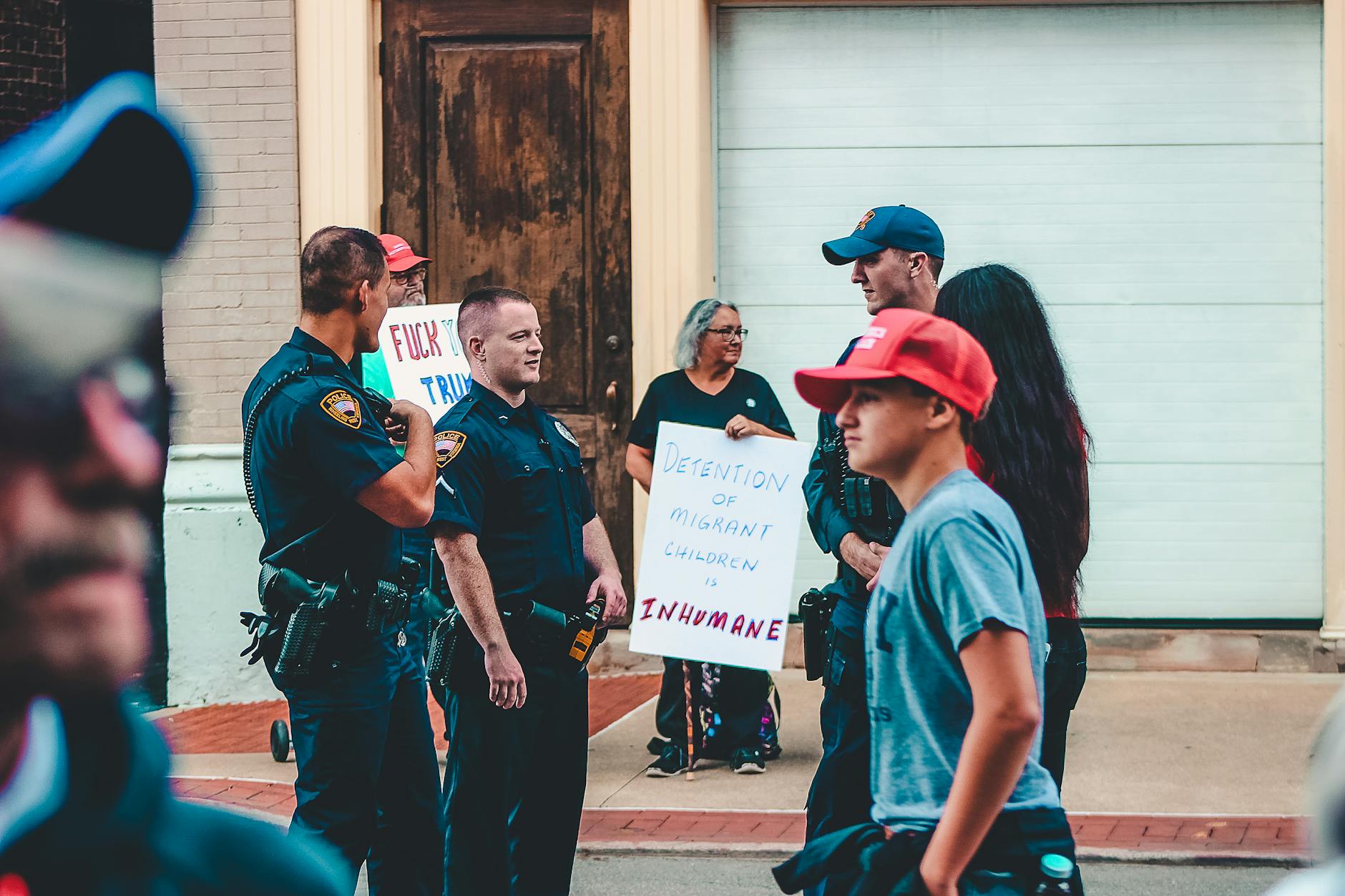
In a significant escalation of its immigration policies, the Trump administration has launched a new, federal immigration enforcement operation in Massachusetts, a move that has been met with immediate and forceful opposition from state and local leaders. Dubbed “Patriot 2.0,” this operation follows a similar surge in May and is explicitly aimed at what the Department of Homeland Security (DHS) terms “the worst of the worst criminal illegal aliens” residing in the state. The administration’s actions are part of a broader, aggressive strategy to target so-called “sanctuary cities,” which it accuses of undermining federal law enforcement and endangering the public.
A spokesperson for DHS confirmed the launch of the new effort, stating that it was a direct response to Boston’s sanctuary city policies, which they claim “not only attract and harbor criminals but also place these public safety threats above the interests of law-abiding American citizens.” The statement concluded with a stark warning: “If you come to our country illegally and break our laws, we will hunt you down, arrest you, deport you, and you will never return.” This hardline rhetoric underscores the administration’s commitment to its campaign promise of mass deportations and aggressive enforcement. This latest crackdown comes on the heels of a lawsuit filed by the Department of Justice against Boston over its sanctuary policies, which limit the cooperation of local law enforcement with federal immigration authorities.
The reaction from Massachusetts officials was one of swift and unified condemnation. Boston Mayor Michelle Wu issued a powerful statement, asserting that local resources would not be used to assist in the federal operation and that the administration’s actions do “not make our community safer.” She accused the federal government of spreading “blatant lies” and engaging in an “unconstitutional attack” and “political theater.” Mayor Wu maintained that Boston’s sanctuary policies have made it the safest major city in the country by building trust between law enforcement and the community, ensuring that all residents feel secure in reporting crimes without fear of deportation. She warned that the city is prepared to take legal action if any evidence of constitutional violations by federal agents emerges.
Massachusetts Governor Maura Healey echoed these sentiments in an interview, calling the federal actions a “political power grab and an attempt to intimidate.” The opposition from these Democratic leaders highlights the deep chasm between the federal government’s enforcement-first approach and the state and local governments’ community-based strategies. The controversy is not confined to Massachusetts; a similar, simultaneous operation is planned for Chicago, signaling a coordinated effort by the administration to pressure Democratic-led cities. The President has even hinted at the possibility of deploying the National Guard in these cities if deemed necessary, a threat that has been met with significant legal and political pushback.
The timing and nature of Operation Patriot 2.0 suggest a calculated move by the administration to double down on a key part of its platform. While the administration frames the operation as a public safety measure, critics argue it is an effort to intimidate immigrant communities and score political points. The Washington Post, for example, has reported that a significant number of those arrested in previous operations had no criminal record, despite the administration’s claims of targeting only the “worst of the worst.” This discrepancy fuels the argument that the operations are less about public safety and more about a broad-based crackdown on undocumented immigrants. As the operation unfolds, the legal and political battles are expected to intensify, with both sides standing firm on their positions. The conflict serves as a stark illustration of the ongoing national debate over immigration policy, federal authority, and the fundamental question of how a nation should balance security with human rights and local governance.
Leave a Reply