
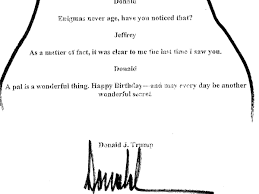
The release of thousands of pages of documents related to the Jeffrey Epstein case by a House Oversight Committee has not provided the public with the long-awaited “client list” many had hoped for, but it has reignited a political firestorm and exposed the deep-seated divisions surrounding the case. The latest document dump, while containing some information that was already public, has nevertheless added to the ongoing saga, with a focus on who knew what and when, and how the legal system failed to hold Epstein and his alleged accomplices fully accountable.
The documents, released in response to a congressional subpoena, are part of an ongoing effort to seek transparency regarding the case.1 While the files do not contain a single, neat list of names, they do reference individuals who have previously been connected to Epstein, including prominent figures in politics and entertainment.2 The absence of new, bombshell revelations has led some, particularly from the Republican side, to claim the release is a “hoax” designed to distract from other political issues. However, critics from both sides of the aisle are pushing for the release of more information, arguing that the public has a right to know the full extent of Epstein’s network and those who enabled him.
The new documents have highlighted the political nature of the case, with some lawmakers seizing on the issue as a way to “needle” their opponents.3 A bipartisan group of representatives, including Ro Khanna, Thomas Massie, and Marjorie Taylor Greene, held a news conference with survivors of Epstein and Ghislaine Maxwell’s sexual abuse, calling for greater transparency.4 The push for a broader release of the Justice Department’s files on Epstein has put pressure on the House Speaker to allow a vote that would bypass his previous efforts to suppress the bipartisan initiative.5 This political maneuvering underscores the fact that the Epstein case is no longer just a legal issue but a powerful weapon in the partisan wars of Washington.
One of the key takeaways from the new documents, and a recurring theme in the broader investigation, is the apparent failure of the legal system to pursue the case with the necessary vigor. Transcripts from a 2006 grand jury investigation, released by a Florida judge, reveal that prosecutors were aware of detailed and horrifying accusations against Epstein. Victims testified about being paid for sex acts and being encouraged to recruit other underage girls, with one detective even testifying that victims were told “the younger, the better.” Despite this damning testimony, Epstein received a lenient plea deal two years later, serving only 13 months in jail and being allowed to participate in a work release program.6 This “sweetheart deal,” as it has been widely described, is a central point of frustration for victims and a powerful indictment of the initial legal process.
The new documents also shed light on the sophisticated and expansive nature of Epstein’s sex-trafficking operation.7 A federal lawsuit filed by twelve of Epstein’s accusers alleges that the FBI had received tips about his activities as early as 1996 but failed to act.8 The documents also contain search terms from Maxwell’s devices that hint at the dark and depraved nature of their crimes.9 The sheer scale of the operation, spanning decades and involving hundreds of young women, suggests that Epstein and Maxwell operated with a degree of impunity that could only be afforded by a network of well-connected and powerful individuals.10
Ultimately, the new releases, while not providing the definitive answers many were hoping for, have reinforced the public’s understanding of the case as one of a massive criminal conspiracy that was allowed to operate for far too long. The revelations about the flawed 2008 plea deal and the allegations of prosecutorial misconduct continue to fuel the public demand for accountability. The release of these documents is a critical step in the ongoing quest for justice for Epstein’s victims, and they serve as a stark reminder of the challenges of holding the powerful to account. The documents are part of a larger, still-unfolding narrative that has exposed not only the horrific crimes of Jeffrey Epstein but also the potential for corruption and failure within the highest levels of power.
Leave a Reply