
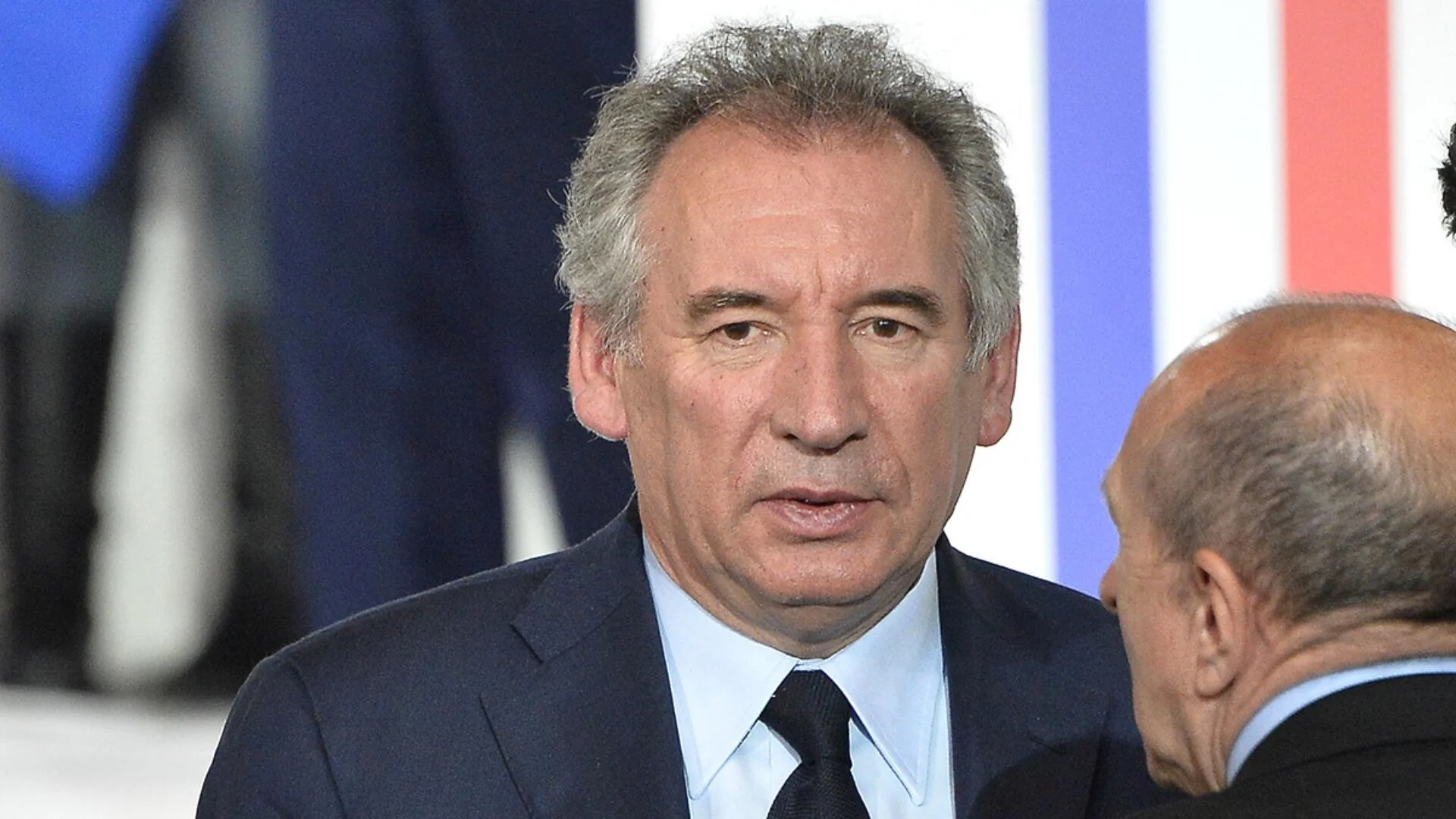
France has been thrust into a new phase of political instability after its Prime Minister, François Bayrou, lost a confidence vote in the National Assembly on Monday.1 The vote, which was overwhelmingly against Bayrou’s government with 364 deputies voting no-confidence, marks the third time in 12 months that a French government has collapsed, leaving President Emmanuel Macron with the difficult task of finding his fourth prime minister in a year.2 The crisis stems from a deeply divided parliament and an unpopular austerity budget proposed by Bayrou to address France’s soaring public debt.3
The vote was a culmination of weeks of political maneuvering and growing discontent with Bayrou’s short-lived premiership, which began just nine months ago.4 The veteran politician had called for the confidence vote himself, a gamble aimed at securing support for his proposed 2026 budget.5 The budget, which sought to slash 44 billion euros to reduce a deficit nearly double the European Union’s 3% limit, was met with fierce opposition from both left-wing and far-right blocs in the fragmented parliament.6 Bayrou had argued that the austerity measures were necessary to tackle France’s “unbearable” debt, which has climbed to almost 114% of its GDP.7 However, his opponents saw the vote as an opportunity to weaken Macron and force a new direction for the country.
The roots of the current crisis can be traced back to President Macron’s decision in June 2024 to call a snap legislative election.8 Macron had hoped the gamble would strengthen his centrist alliance’s hand, but it backfired spectacularly, resulting in a splintered legislature with no single party holding a dominant majority.9 Since then, his minority governments have struggled to pass key legislation, surviving on a fragile balance of power that can be easily upended by a united opposition.10 The ousting of Bayrou, who followed Michel Barnier as a short-serving premier, highlights the ongoing legislative deadlock and the deep divisions that are now hobbling the European Union’s second-largest economy.11
For President Macron, the loss of his prime minister is a significant blow to his domestic agenda.12 While he retains substantial powers over foreign policy and defense, his ambitions for domestic reform are increasingly at risk. The immediate task for Macron is to find a new prime minister who can somehow unite the fractured parliament and secure the passage of a budget.13 However, this will be no easy feat. The far-right National Rally and the hard-left France Unbowed, who led the charge against Bayrou, are unlikely to compromise. The prospect of yet another short-lived government and a prolonged political stalemate looms large.
As France navigates this period of uncertainty, the future remains unclear. Macron has the option of appointing another prime minister, but a candidate who can command the support of the various political blocs seems elusive.14 The alternative, calling for another snap election, is a risky move, as polls suggest it could lead to an even more divided parliament with the far-right making further gains.15 The political turmoil comes at a time of heightened social pressure, with planned protests and strikes already highlighting public frustration.16 With the country’s finances in peril and political consensus nowhere in sight, the collapse of Bayrou’s government is not just a political event; it’s a reflection of a deeper crisis facing France, one that will test the resilience of its institutions and the leadership of its president.
Leave a Reply