
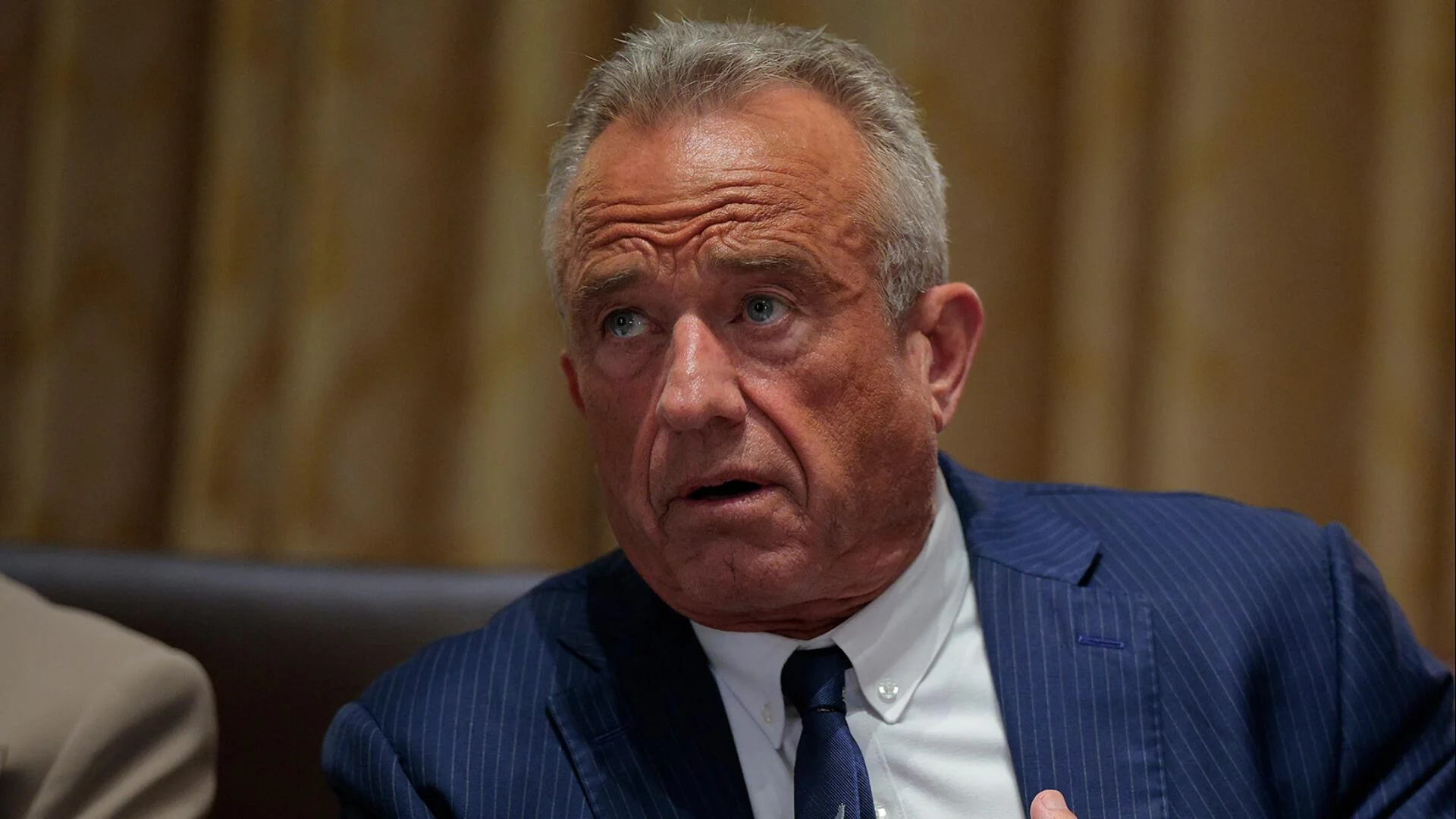
A deep and public chasm has opened within the Republican Party over the controversial policies and leadership of Health and Human Services (HHS) Secretary Robert F. Kennedy Jr. While Secretary Kennedy was appointed to his role by the administration, his actions and public statements have sparked an open revolt among a significant segment of the Republican establishment, forcing the administration to navigate an increasingly fractious internal debate. This unprecedented tension highlights the ideological contradictions at the heart of the modern conservative movement and the complexities of governing a diverse and at times contradictory coalition.
The source of the friction is rooted in Secretary Kennedy’s long-standing and well-documented skepticism toward vaccines and his push to overhaul federal health institutions. His policies, which include new limitations on vaccine mandates and a call for a “thorough review” of vaccine safety protocols, have sent a shockwave through the public health community. In a recent move, he directed the Centers for Disease Control and Prevention (CDC) to halt its promotion of certain vaccines, a decision that prompted the resignation of several high-ranking officials. For traditional Republicans, particularly those with strong ties to the pharmaceutical industry and the business community, Kennedy’s policies are not only dangerous but also fundamentally at odds with the party’s historical commitment to established science and economic stability.
The opposition to Secretary Kennedy has been led by a number of influential figures. Senator Bernie Sanders, a prominent progressive, was the first to openly call for Kennedy’s resignation, but he was soon joined by Republican Senators like Bill Cassidy and Susan Collins. In a highly unusual move, these Republicans have teamed up with their Democratic counterparts to form a bipartisan coalition aimed at pressuring the administration to reverse course. Senator Cassidy, himself a physician, has publicly stated that Kennedy’s views are a “threat to public health” and that his actions are undermining the credibility of the very institutions designed to protect the American people. This bipartisan opposition places the administration in an awkward position, as it must now defend its appointee against criticism from both sides of the political aisle.
For the administration, the challenge is clear: how to manage a high-profile Cabinet member whose actions are alienating key political allies. While some members of the administration’s base are in lockstep with Kennedy’s anti-establishment views, the broader Republican coalition is not. The traditional conservative wing of the party, with its emphasis on business and a stable economy, sees Kennedy’s policies as a liability that could lead to widespread public health issues and economic disruption. The tension is palpable and has already complicated the administration’s ability to move forward on other parts of its agenda.
The public feud over Secretary Kennedy is a microcosm of a larger power struggle within the Republican Party. On one side are the populist, anti-establishment forces that see federal institutions as corrupt and in need of radical reform. On the other are the traditional conservatives who, while critical of bureaucracy, believe in the fundamental importance of established institutions and science. This rift is not just about a single Cabinet member; it is a battle for the soul of the party. The outcome of this debate will not only shape the future of American health policy but will also determine the direction of the Republican Party for years to come.
Leave a Reply