
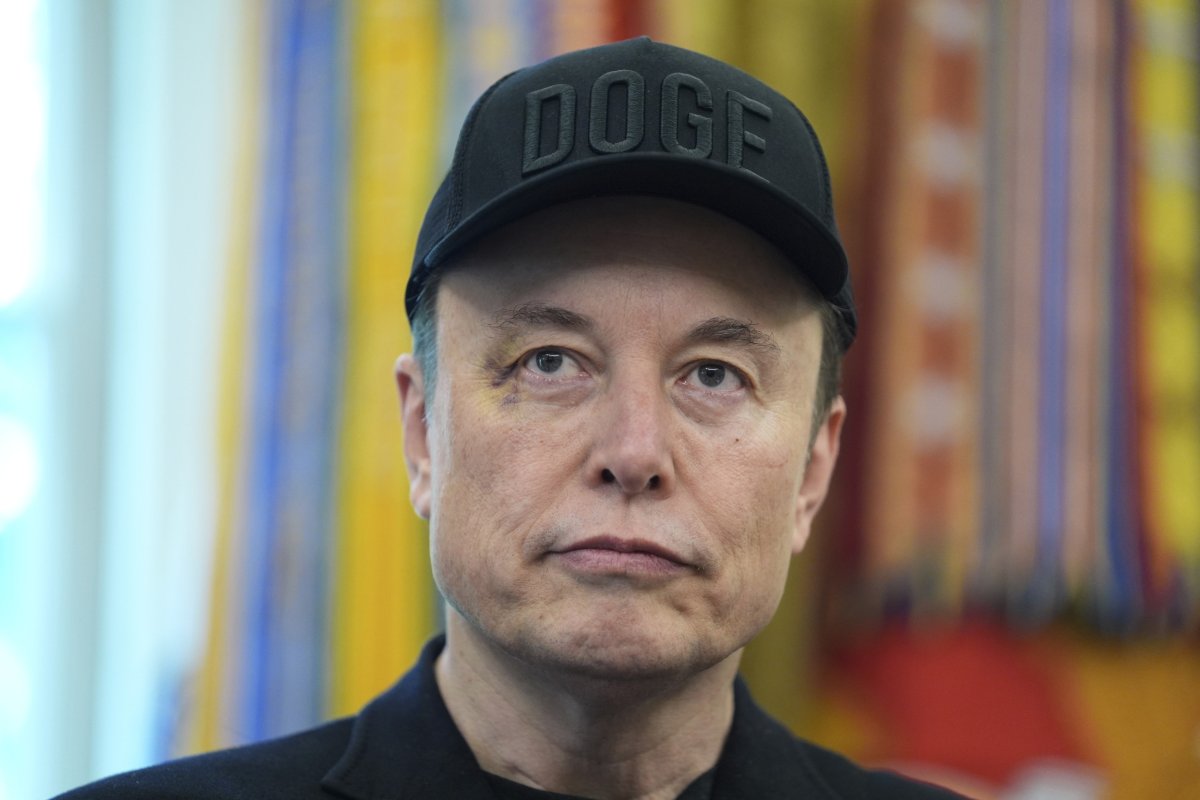
In a significant and highly anticipated move, tech magnate Elon Musk has accepted an invitation to attend a high-level summit on artificial intelligence (AI) at the White House. The invitation, extended by the administration, brings one of the most prominent and controversial figures in the technology world to the heart of the nation’s political power. The summit, which aims to address the rapidly evolving challenges and opportunities presented by AI, underscores the administration’s recognition of the technology’s immense power and the urgent need for government regulation. It is a strategic move, as the administration seeks to engage with the very leaders who are shaping this new technological frontier, even as they face ongoing political scrutiny.
The summit is part of a broader push by the administration to navigate the complex landscape of AI, a technology that holds the promise of immense innovation but also raises serious concerns about job displacement, national security, and potential societal disruption. According to White House officials, the goal of the gathering is to foster a productive dialogue between government leaders, policymakers, and private-sector innovators. The administration is keen to understand the latest advancements in AI and to explore potential frameworks for regulation that could ensure the technology is developed responsibly. Musk, with his vast portfolio of companies, including Tesla and SpaceX, and his significant investments in AI research, is seen as a pivotal figure in this conversation.
Musk’s attendance at the summit is particularly notable given his often-contentious relationship with the federal government. His various business ventures, from space launches to electric vehicles, have historically relied on government contracts and tax incentives, but he has also been a vocal critic of what he views as excessive regulation. The invitation, therefore, is a carefully calculated political gesture. For the administration, it is a way to signal that it is open to a broad range of viewpoints and that it recognizes the importance of engaging with the private sector. For Musk, it is an opportunity to directly influence policy and to present his vision for the future of AI.
The summit is not a standalone event but part of a larger, ongoing effort to establish a national AI policy. In recent months, officials have convened a series of meetings with a diverse range of stakeholders, including civil rights leaders, labor unions, and academic researchers. The goal is to develop a comprehensive policy that balances the need for innovation with the imperative of protecting the public from potential harm. The inclusion of figures like Musk in these discussions is seen as a necessary, albeit complex, step toward achieving that balance.
The broader implications of this summit are immense. It highlights the growing importance of AI as a national security issue, a challenge that both the administration and the Department of Defense are keen to address. The technology’s potential applications, from autonomous weapons systems to advanced cyber defense, are already reshaping the geopolitical landscape. By inviting key tech leaders to the White House, the administration is seeking to ensure that America remains at the forefront of this new technological arms race. However, the optics of the meeting have not been lost on critics. Some have expressed concern that the administration is giving too much power and influence to a select group of wealthy tech executives, arguing that the public’s interests would be better served by a more independent and democratically accountable approach to regulation. As the summit convenes, it will be a crucial test of whether a productive partnership can be forged between two of the most powerful forces in the world today: government and big tech.
Leave a Reply