
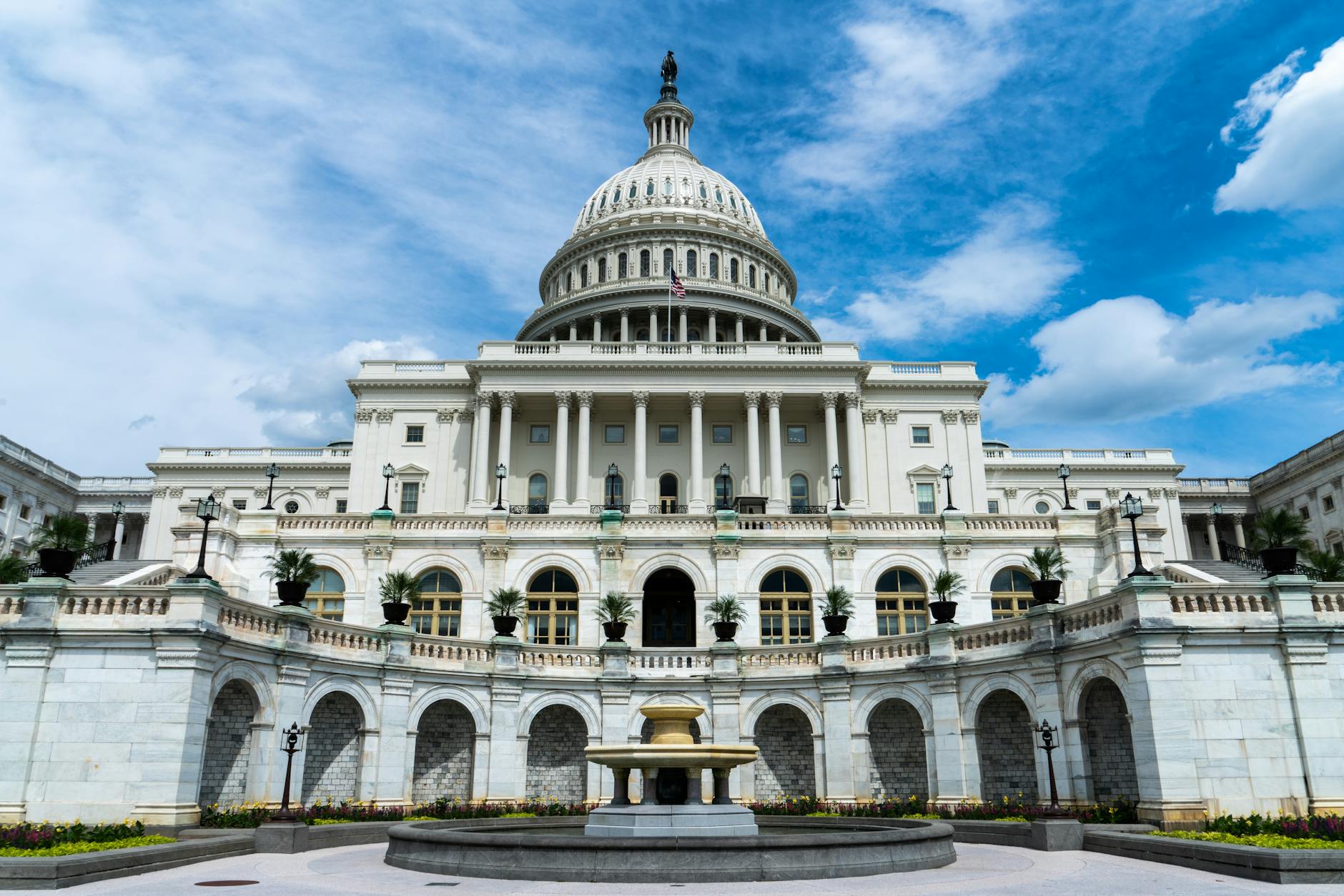
A quiet summer recess has concluded, but far from returning to a calm legislative calendar, the U.S.1 Congress is plunging headfirst into a turbulent showdown. At the heart of the impending chaos are two seemingly separate but now inextricably linked crises: the urgent need to pass a government funding bill to avert a shutdown and the ongoing, highly charged political battle over the release of the remaining federal files related to the Jeffrey Epstein investigation.2 For both Democrats and a faction of Republicans, the pursuit of truth and transparency in the Epstein case has become a moral imperative, and they are leveraging the looming fiscal deadline to force a full accounting from the Department of Justice.3
The controversy has been simmering for months, but it reached a boiling point in recent weeks. Despite a subpoena from the House Oversight Committee, the Department of Justice has been criticized for releasing only a limited batch of files, which lawmakers from both sides of the aisle have derided as incomplete and “recycled.”4 This has left a number of fundamental questions unanswered about the government’s handling of the case, including the infamous 2008 non-prosecution agreement and the circumstances surrounding Epstein’s death in a federal jail. In the face of what they see as official stonewalling, a bipartisan coalition has emerged, led by Representative Thomas Massie (R-KY) and Representative Ro Khanna (D-CA).5 The two lawmakers have launched a “discharge petition” on H.R. 4946, the “Epstein Crime Victims Act,” a legislative maneuver designed to force a floor vote on a measure that would compel the DOJ to make all relevant records public within 30 days.6
This concerted push for transparency is creating a deep and politically thorny divide within the Republican Party.7 While members of the Oversight Committee and populist figures like Congresswoman Marjorie Taylor Greene have vocally supported the release of the files, their efforts have been met with resistance from the highest echelons of power.8 According to multiple reports, Speaker Mike Johnson and President Donald Trump himself have urged a halt to the push for more documents.9 Critics of the administration argue that this about-face is an attempt to shield potentially damaging information from public view, especially given the President’s own past associations with the convicted sex offender. This friction has placed a significant strain on party unity and is directly complicating the legislative agenda, which hinges on a fragile bipartisan agreement to keep the government funded.
The linkage of these two issues is now a tactical reality. As the September 30th government shutdown deadline looms, Democrats are well aware that the Republican-led Congress will need their support to pass a short-term continuing resolution.10 Without it, the government will cease to operate, a politically devastating outcome for all parties involved.11 By tying the fate of the Epstein files to the funding bill, lawmakers like Senator Chuck Schumer and Representative Ro Khanna are effectively using the threat of a shutdown as leverage to demand action on an issue that a segment of the Republican Party is actively trying to suppress. This strategy ensures that the victims of Epstein’s crimes, whose voices are at the very heart of this debate, remain a central focus in the halls of power.
The implications of this showdown are far-reaching. At a macro level, it highlights the increasingly volatile nature of American politics, where even fundamental, bipartisan tasks like funding the government can be held hostage by unrelated but politically potent controversies. At a micro level, it speaks to the relentless pursuit of justice by a new generation of lawmakers and advocates who are determined to shed light on a case that has been shrouded in secrecy for too long. Regardless of the outcome of the funding fight, the unprecedented legislative pressure surrounding the Epstein files is a testament to the power of a determined coalition and a stark reminder that in the modern political landscape, transparency is not an optional courtesy—it is a demand.
Leave a Reply