
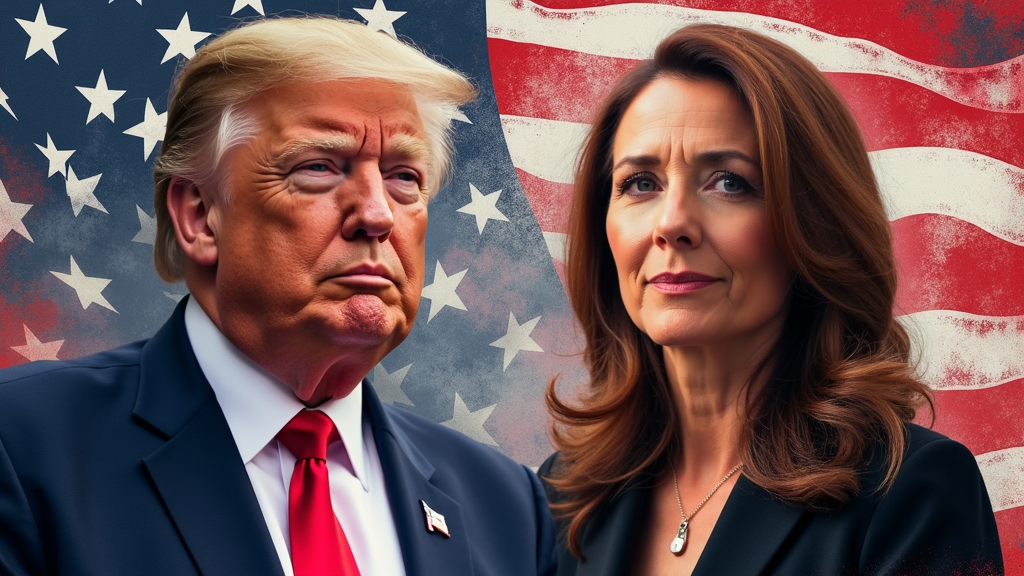
The framework of MAGA politics has transformed the American political landscape, shaping ideologies and galvanizing supporters in unprecedented ways. With figures like Donald Trump at its helm, the MAGA movement has become synonymous with a brand of identity politics that emphasizes loyalty, a focus on white, Christian values, and a controversial stance on immigration, particularly surrounding the H-1B visa controversy. This duality can be seen in the debates sparked by both Trump and his staunch ally, Marjorie Taylor Greene, who defends the narrative of American supremacy in talent while grappling with the implications of global migration. As these two political figures navigate their respective positions, the tensions between them reflect deeper fractures within the MAGA base, with supporters now questioning whether traditional values or economic pragmatism should take precedence in shaping their vision for America. Ultimately, MAGA politics is not just a rallying cry for a faction of the Republican party; it’s a complex interplay of sentiments that challenges the very fabric of American democracy and its future direction.
Emerging from a unique blend of nationalistic fervor and identity-driven concerns, the MAGA ideology encapsulates a significant shift within the GOP and American conservatism as a whole. Often characterized by Trumpian tactics, this movement prioritizes a narrow portrayal of what it means to be American, while entwining itself with issues like immigration and workforce competition that resonate with many grassroots supporters. Figures such as Marjorie Taylor Greene illustrate the complexities of Trumpism, where local investment in ‘true Americans’ often confronts the pragmatism of global labor dynamics, such as the contentious H-1B visa program. The ongoing confrontations between established party members and the MAGA faction underscore a critical debate around values, economic strategies, and the future of identity politics in the U.S. In essence, the emergence of this movement signifies not just a political shift, but a profound rethinking of community identity and belonging in America.
Understanding MAGA Politics: The Trump Doctrine
MAGA politics, personified by Donald Trump, reflects a complex interplay between economic ambitions and cultural identities. Central to this ideology is the prioritization of certain demographics who align with Trump’s vision of America. At the core, Trump’s MAGA mantra seeks economic growth by importing talent through programs like H-1B visas, even if this contravenes the desires of some of his most fervent supporters. This has created a rift in MAGA circles where the definition of an ‘American’ worker becomes a contentious topic, challenging the boundaries of nationalism and capitalism.
The essence of MAGA politics underscores that for Trump, the prosperity of a select group often supersedes the welfare of ‘real’ Americans. This is evident in his support for the wealthy and his collaborators, who benefit from imported labor while sidelining those whose struggles are defined by economic disenfranchisement. Consequently, MAGA is less a movement about improving the lives of all Americans and more a branding strategy that prioritizes Trump and his inner circle’s business interests.
Frequently Asked Questions
What does the MAGA movement signify in the context of Trump vs Greene debates?
The MAGA movement, famously associated with Donald Trump, represents a call for America to prioritize nationalism and economic growth. In discussions of Trump vs Greene, it highlights contrasting perspectives within the movement, particularly surrounding immigration policies like the H-1B visa controversy. While Trump advocates for bringing talented workers to the U.S., Greene stresses prioritizing American workers ‘first’, showcasing the internal divisions within MAGA politics.
How does Marjorie Taylor Greene fit into the MAGA movement’s identity politics?
Marjorie Taylor Greene embodies a segment of the MAGA movement that emphasizes traditional values and nationalism. Her criticism of Trump’s support for H-1B visas reflects a belief in protecting American jobs, which she views as central to MAGA identity politics. Greene’s rhetoric amplifies the movement’s focus on perceived threats to American sovereignty and aims to redefine what it means to prioritize Americans in the political sphere.
What is the significance of the H-1B visa controversy within MAGA politics?
The H-1B visa controversy illustrates a key tension within MAGA politics around immigration and job security. Trump’s endorsement of H-1B visas to attract talent contrasts sharply with Greene’s stance against them, which she argues leads to the ‘replacement’ of American workers. This controversy not only reveals differing strategies on economic growth but also showcases broader themes of identity and loyalty within the MAGA movement.
In what ways do Trumpian identity politics influence attitudes toward undocumented immigrants?
Trumpian identity politics create a hierarchy among citizens, often seeing undocumented immigrants as the least favorable group. This perspective aligns with the MAGA movement’s focus on prioritizing certain demographic groups, particularly white Christians who support Trump, while dismissing the contributions of undocumented immigrants and communities of color. This selective prioritization shapes the political landscape and discussions on immigration within the MAGA framework.
How does Trump’s view of the economy relate to MAGA politics and its supporters?
Trump’s approach to the economy reflects a MAGA politics that prioritizes profit and growth over traditional social values. In emphasizing the need for foreign talent through initiatives like H-1B visas, Trump illustrates his belief that economic strength is tied to market demands rather than solely by supporting domestic workers. This view has led to discontent among some MAGA supporters who expected Trump to focus more on the American working class.
What are the implications of MAGA politics on the future of American identity?
MAGA politics, particularly through the actions and statements of key figures like Trump and Greene, are reshaping the narrative of American identity. The movement’s emphasis on economic exclusivity and prioritization of certain groups could foster division within society. As the movement evolves, it poses questions about inclusion, diversity, and the true meaning of ‘American greatness’ amid changing demographics and cultural values.
How does Marjorie Taylor Greene’s legislation impact the MAGA movement?
Marjorie Taylor Greene’s legislative proposals, particularly those targeting immigration and job security, play a significant role in shaping MAGA politics. By promoting legislation that seeks to curb the H-1B visa program, she reinforces a faction within the MAGA movement that prioritizes domestic job protection over economic growth through immigration, reflecting a growing discontent among some Trump supporters who fear losing their economic footing.
What role does Christian nationalism play in MAGA politics?
Christian nationalism is a significant undercurrent in MAGA politics, influencing the priorities of its supporters. Figures like Trump and Greene often appeal to Christian voters by intertwining religious values with national identity. This alignment fosters a political narrative where white Christian supporters are seen as the primary beneficiaries of MAGA initiatives, while marginalized communities may be sidelined, thus shaping the movement’s agenda and actions.
| Key Points |
|---|
| Donald Trump, at a Fox News interview, expressed support for H-1B visas to attract talented individuals to the U.S. |
| Greene, a fierce Trump supporter, criticized Trump, advocating for American workers and introducing legislation to end the H-1B visa program. |
| The ongoing divide within MAGA politics highlights conflicting priorities: economic growth versus support for American workers. |
| Trump’s politics prioritize wealthy individuals and white Christian supporters who contribute economically, leaving other groups vulnerable. |
| Trump supporters may be starting to realize the true nature of Trump’s administration and their dissatisfaction with the current state. |
| For real change to happen, MAGA politics need to address critical social issues like income inequality and discrimination. |
| Individuals offering genuine political change should be prioritized over opportunistic politicians and corporate interests. |
Summary
MAGA politics is currently at a crossroads, reflected in the tensions between Donald Trump and Marjorie Taylor Greene regarding immigration and economic policy. The rift indicates a growing skepticism among Trump’s base, suggesting that many supporters are beginning to question the true meaning of MAGA. As the political landscape evolves, it is imperative for those engaged in MAGA politics to focus on real solutions to the systemic issues facing American society, such as income inequality and food insecurity, to truly make America great.
Introducing Autowp, the ultimate AI content generator and AI content creator plugin designed specifically for WordPress users. With Autowp, you can effortlessly produce high-quality, engaging content that resonates with your audience and improves your site’s visibility in search engines. This powerful tool harnesses the latest advancements in AI technology to help you streamline your content creation process, ensuring you never run out of fresh ideas. Maximize your productivity and enhance your online presence with Autowp, your go-to solution for innovative content generation. To remove this promotional paragraph, upgrade to Autowp Premium membership.
Leave a Reply