
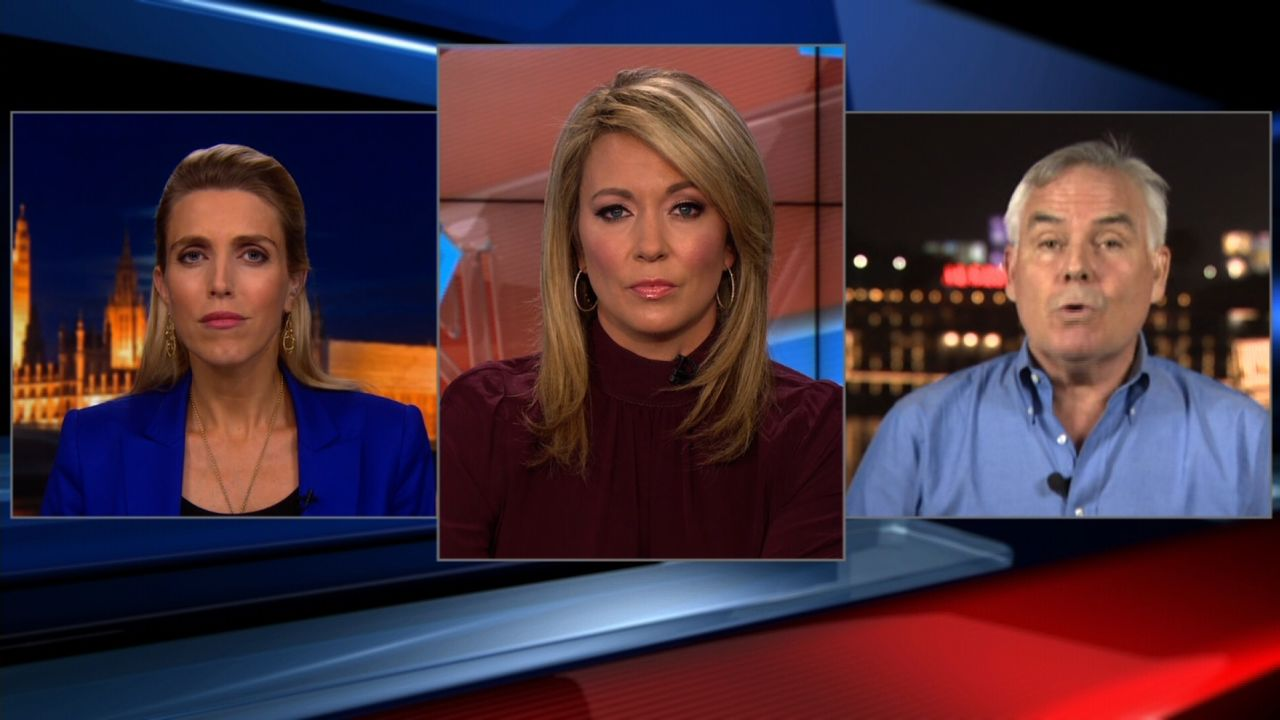
CNN International criticism has emerged as a frequent topic of debate, particularly in the wake of President Donald Trump’s scathing remarks on Twitter, where he labeled the network as “fake news.” This characterization not only sparked significant discourse among media analysts but also raised pressing concerns about press freedom issues faced by journalists. CNN, known for its global reporting, relies on the bravery of its foreign correspondents who often work under perilous conditions, a reality highlighted in their quick response to Trump’s tweet. The network’s efforts to defend its credibility underscore the risks associated with international journalism, especially in environments where journalists at risk can face severe repercussions. As Trump’s statements resonate, they potentially empower authoritarian regimes to further stifle media freedoms, creating a chilling effect on the dissemination of truthful reporting worldwide.
The scrutiny of CNN’s international output has sparked renewed discussions about the broader implications of media credibility in the current digital age. Presidential critiques, like those from Donald Trump regarding his views on news outlets, resonate deeply not only with American audiences but also with those following global narratives about press integrity. Such rhetoric fuels the ongoing fake news allegations that jeopardize the safety of journalists who strive to uphold truth-telling in politically hostile environments. Moreover, the challenges faced by reporters, notably CNN foreign correspondents, underscore a stark reality where press freedom issues are increasingly at stake. The climate of fear and intimidation surrounding journalists at risk necessitates vigilant advocacy for the rights of the press, particularly when geopolitical dynamics are at play.
Donald Trump’s Twitter Attack on CNN International
On November 25, 2017, in a move that sent shockwaves through the media landscape, President Donald Trump took to Twitter to unleash a barrage of criticism against CNN International. In his tweet, Trump dubbed the network as “fake news,” a term he frequently used to delegitimize unfavorable coverage of his administration. This public attack raised significant concerns about the implications for press freedom, especially when considering the influence such statements could have on foreign governments’ treatment of journalists. By denouncing CNN in such a harsh manner, Trump not only targeted the network’s credibility but also the work of its international correspondents who strive to provide accurate reporting from volatile regions around the world.
In response to the tweet, CNN’s public relations team quickly moved to defend its journalists, utilizing social media to highlight the dangers faced by reporters in the field. Their posts showcased a compilation of footage illustrating the precarious situations in which CNN International journalists operate, bringing attention to the risks that come with reporting from countries where press freedom is often compromised. The swift response underscores the vital role that CNN, and journalism at large, plays in maintaining informed global discourse, despite the ongoing challenges posed by hostile rhetoric from powerful leaders.
The Risks Faced by Journalists Abroad
The dangers inherent in overseas reporting cannot be overstated. Journalists often find themselves in regions plagued by conflict, oppression, and government hostility, putting their lives and well-being on the line to ensure that vital stories reach the public. Organizations like the Committee to Protect Journalists (CPJ) track the alarming rate of incidents where reporters are arrested, jailed, or even killed while covering breaking news away from home. These press freedom issues are exacerbated in environments where governments are emboldened by narratives that seek to discredit media organizations, as was the case with Trump’s remarks about CNN. Such allegations of “fake news” can lead to increased hostility toward journalists, making their work even more perilous.
In light of the risks that journalists face internationally, it is crucial to recognize the support and protection needed from entities like the White House. U.S. media organizations operating abroad require a robust backing to ensure they can report without fear of retribution. As Joel Simon, the executive director of CPJ, noted, rhetoric similar to Trump’s creates a compelling narrative for authoritarian figures to tighten their grip on press freedoms within their countries. When journalists are marginalized at the highest levels of government, it not only jeopardizes their safety but also the free flow of information essential for democracy and accountability.
Impact of Presidential Rhetoric on Press Freedoms
Presidential rhetoric carries substantial weight, particularly when it pertains to media entities and their credibility. Trump’s characterization of CNN International as “fake news” exemplifies how narratives from political leaders can shape public perception and influence the treatment of journalists across the globe. This phenomenon poses a significant risk to press freedoms, as it emboldens authoritarian leaders to impose restrictions on reporting—actions justified under the guise of combating misinformation. In this context, the implications of such rhetoric reach far beyond the immediate effects on CNN, affecting the journalistic community on an international scale.
Moreover, the cascading effects of these remarks can hinder the work of journalists striving to unveil truths that may be unwelcome to certain governments. The potential restrictions against journalists highlighted by Simon indicate that the consequences of hostile rhetoric can directly translate into increased hostility and physical threats against them. As the line between opinion and fact blurs in political discourse, the urgency to protect press freedoms grows, emphasizing the need for strong defenses against the growing tide of disinformation and public distrust in media.
CNN International’s Response to Criticism
In the wake of Trump’s vehement criticisms, CNN International took proactive measures to reinforce its commitment to journalistic integrity and transparency. The network utilized social media platforms to showcase the remarkable work of its foreign correspondents, emphasizing their unwavering dedication to delivering factual reporting regardless of the precarious circumstances they often face. By highlighting the courage of their journalists, CNN aimed to counter the narrative posed by Trump, reaffirming their stance as a credible news source committed to responsible journalism.
Furthermore, CNN’s response highlighted the importance of solidarity among news organizations. By showcasing the risks faced by journalists operating in hostile environments, CNN sought to foster a deeper understanding of the challenges that come with reporting in today’s complex geopolitical landscape. Such responses are vital in not only bolstering their public image but also in rallying support for press freedoms globally, reminding audiences of the critical role that fearless journalism plays in a functioning democracy.
The Role of Social Media in News Reporting
Social media has profoundly transformed the landscape of news reporting, providing both challenges and opportunities for journalists. Platforms like Twitter have become essential tools for news dissemination, allowing journalists to share breaking news in real-time and engage with the public directly. However, as demonstrated by Trump’s tweet, social media can also serve as a double-edged sword, where statements made can lead to widespread misinformation and attacks on media organizations. This paradox underscores the evolving nature of journalism in the digital age, where the line between information and propaganda often blurs.
In an era where information is rapidly consumed and shared, the responsibility falls on news organizations to maintain their credibility amidst the noise of social media. It is crucial for platforms to implement measures that protect against the spread of false narratives while also allowing for open discourse. The incidents involving CNN and Trump’s criticisms highlight the growing necessity for journalists to navigate these complexities, balancing the immediacy of social media with the principles of ethical journalism.
Foreign Correspondents: Guardians of Truth
Foreign correspondents play a pivotal role in the global media landscape, acting as the eyes and ears of their home countries on the international stage. Their reporting often involves treacherous conditions where political tensions, civil unrest, and natural disasters pose significant threats to their safety. The dedication exhibited by these journalists not only provides essential information to the public but also offers a glimpse into the realities of communities often overlooked by mainstream coverage. As they grapple with unpredictable environments, foreign correspondents must rely on their training and instincts to inform audiences accurately.
However, the work of foreign correspondents has come under increased scrutiny in recent years, particularly in the context of rising nationalistic sentiments worldwide. Accusations of “fake news” can result in hostile environments for journalists, not only putting their safety at risk but also undermining their credibility. The importance of supporting these journalists cannot be overstated—their relentless pursuit of truth serves as a counterbalance to misinformation and fosters a more informed global citizenry. As such, there must be a concerted effort to protect the rights and freedoms of those who choose to report from the front lines.
The Dangers of Fake News Allegations
The term “fake news” has evolved into a powerful weapon in the hands of leaders like Donald Trump, who utilize it to discredit media outlets and divert attention from difficult questions and negative coverage. Such allegations not only create a hostile environment for news organizations but also can incite violence against journalists. When public figures label news reports as false, they effectively embolden individuals and governments to take drastic actions against reporters, exacerbating existing threats to press freedom. As the landscape of information becomes more contested, the ripple effects of these allegations can have dire consequences for those tasked with reporting the truth.
Additionally, the impact of these claims on public perception and trust in journalism is profound. As citizens increasingly rely on social media for their news, the waters become muddied with varying degrees of authenticity, often leading to confusion and misinformation. Educating the public about the importance of reliable news sources and the inherent risks faced by journalists is essential to counter these narratives. By advocating for press freedom and shielding journalists from unjust claims of dishonesty, society can uphold the fundamental principles of democracy and ensure that accurate information continues to flow.
U.S. Support for International Journalism
As news organizations operate in conflict zones and under repressive regimes, the support of the U.S. government is paramount for fostering a favorable environment for journalism. Protection of journalistic rights abroad requires a commitment to press freedom from American leaders, who should advocate for the safety and legality of journalist activities globally. The implications of the U.S. stance on press freedoms resonate far beyond its borders; a strong endorsement can empower international journalists to pursue unfettered reporting, even in the face of opposition. Without such backing, correspondents working in perilous conditions face heightened risks, further threatening the integrity of global journalism.
However, advocacy for press freedom should extend beyond mere statements. Active efforts and policy initiatives that address the unique challenges faced by journalists internationally are crucial for safeguarding their rights. Organizations like the Committee to Protect Journalists work tirelessly to document abuses and provide resources for those who find themselves in need of support. U.S. engagement in international journalism is not just a matter of convenience; it serves as a critical lifeline for those risking their lives to reveal the truth. Supporting this sector reinforces acommitment to protecting democracy and the essential role of a free press.
Challenges in the Post-Truth Era
The so-called post-truth era presents daunting challenges for journalists as they navigate a landscape where facts are often contested and the credibility of news sources is regularly questioned. With political leaders decrying certain media outlets as “fake news,” journalists face increased scrutiny and pushback against their reporting. This environment complicates the already risky jobs of foreign correspondents and encourages a growing skepticism toward established media institutions. As journalists rise to meet these challenges, they must also grapple with the implications of an ever-evolving information ecosystem that rewards sensationalism over accuracy.
In this context, maintaining journalistic integrity becomes more essential than ever. Striking a balance between engaging audiences and providing reliable information is a tightrope that many news organizations must walk. The pressure to produce rapid, compelling content can easily blur the lines of ethical journalism, leading to unverified reports and further inflating public distrust in media. Therefore, bolstering media literacy among audiences and emphasizing the value of trust in journalism are critical components in overcoming the challenges posed by the post-truth environment. Teaching audiences to assess sources critically helps cultivate an informed citizenry capable of distinguishing between fact and fiction.
Frequently Asked Questions
What did Donald Trump say about CNN International on Twitter?
On November 25, 2017, President Donald Trump criticized CNN International on Twitter, labeling the network as ‘fake news’ and accusing it of misrepresenting the United States to international audiences. This accusation contributed to ongoing discussions regarding press freedom issues and the perception of American media abroad.
How does CNN respond to criticisms regarding press freedom?
In response to criticisms from Donald Trump, CNN’s PR team emphasized the importance of their foreign correspondents, highlighting the inherent risks these journalists face while reporting in dangerous environments. Their public statement aimed to reaffirm the commitment to press freedom and the safety of journalists globally.
What are the implications of Trump’s ‘fake news’ allegations on journalists abroad?
Trump’s ‘fake news’ allegations, particularly against CNN International, can have serious implications for journalists working in hostile regions. As noted by Joel Simon from the Committee to Protect Journalists, such rhetoric may empower authoritarian leaders to restrict press freedoms and threaten journalists’ rights, especially in countries where such rights are already fragile.
Why are CNN foreign correspondents considered to be at risk?
CNN foreign correspondents often operate in volatile regions where press freedom is limited or non-existent. They face significant risks, including arrest, imprisonment, or violence, as they report on critical issues affecting public interest. Such dangers highlight the challenges journalists encounter outside the protective framework of U.S. domestic press freedom laws.
How do press freedom issues relate to the criticisms of CNN International?
Criticisms of CNN International, such as those expressed by Donald Trump, are closely tied to broader press freedom issues. When high-profile figures label news organizations as ‘fake news,’ it can embolden foreign governments to impose restrictions on journalists, thus undermining the ability to report freely on important global issues.
What incidents illustrate the risks faced by CNN journalists?
Several incidents underscore the dangers faced by CNN journalists, including threats to their safety. For example, in January 2018, a man was arrested for threatening to kill CNN staff, and CNN’s headquarters was evacuated in 2018 after a bomb threat. Such events demonstrate the severe risks that journalists encounter in their pursuit of reporting.
How does CNN advocate for press freedom in light of criticism?
In light of ongoing criticism, such as that from Donald Trump, CNN advocates for press freedom by highlighting the vital work and risks faced by its foreign correspondents. This includes public support for their journalists and documentation of press freedom violations, reinforcing the importance of independent journalism in a global context.
| Key Point | Details |
|---|---|
| Trump’s Criticism of CNN International | On November 25, 2017, President Trump labeled CNN International as ‘fake news’ via Twitter, claiming it misrepresented the U.S. to global audiences. |
| CNN’s Response | CNN’s PR team quickly countered Trump’s tweet, appreciating the risks faced by foreign correspondents and showcasing their efforts in perilous situations through a compilation video. |
| Impact on Press Freedom | Experts, like Joel Simon from the Committee to Protect Journalists, warned Trump’s statements could empower authoritarian regimes to further restrict press freedoms. |
| Legislation in the U.S. | While U.S. media are protected by the First Amendment domestically, reporters abroad often rely on presidential support for operational safety. |
| Documented Incidents | Several incidents illustrate ongoing tensions, including evictions from presidential events, threats to journalists, and violent responses to CNN staff. |
Summary
CNN International criticism has highlighted significant concerns regarding the safety and freedom of journalists operating worldwide. President Trump’s disparaging remarks against CNN International not only jeopardize the credibility of the press abroad but also embolden authoritarian regimes to impose restrictions on media freedoms. As the landscape for journalists becomes increasingly perilous, the role of American institutions in safeguarding press freedoms remains pivotal. The documented threats and challenges faced by CNN and other media organizations underscore the critical need for robust protections to ensure that journalistic integrity and safety are upheld globally.
Leave a Reply