
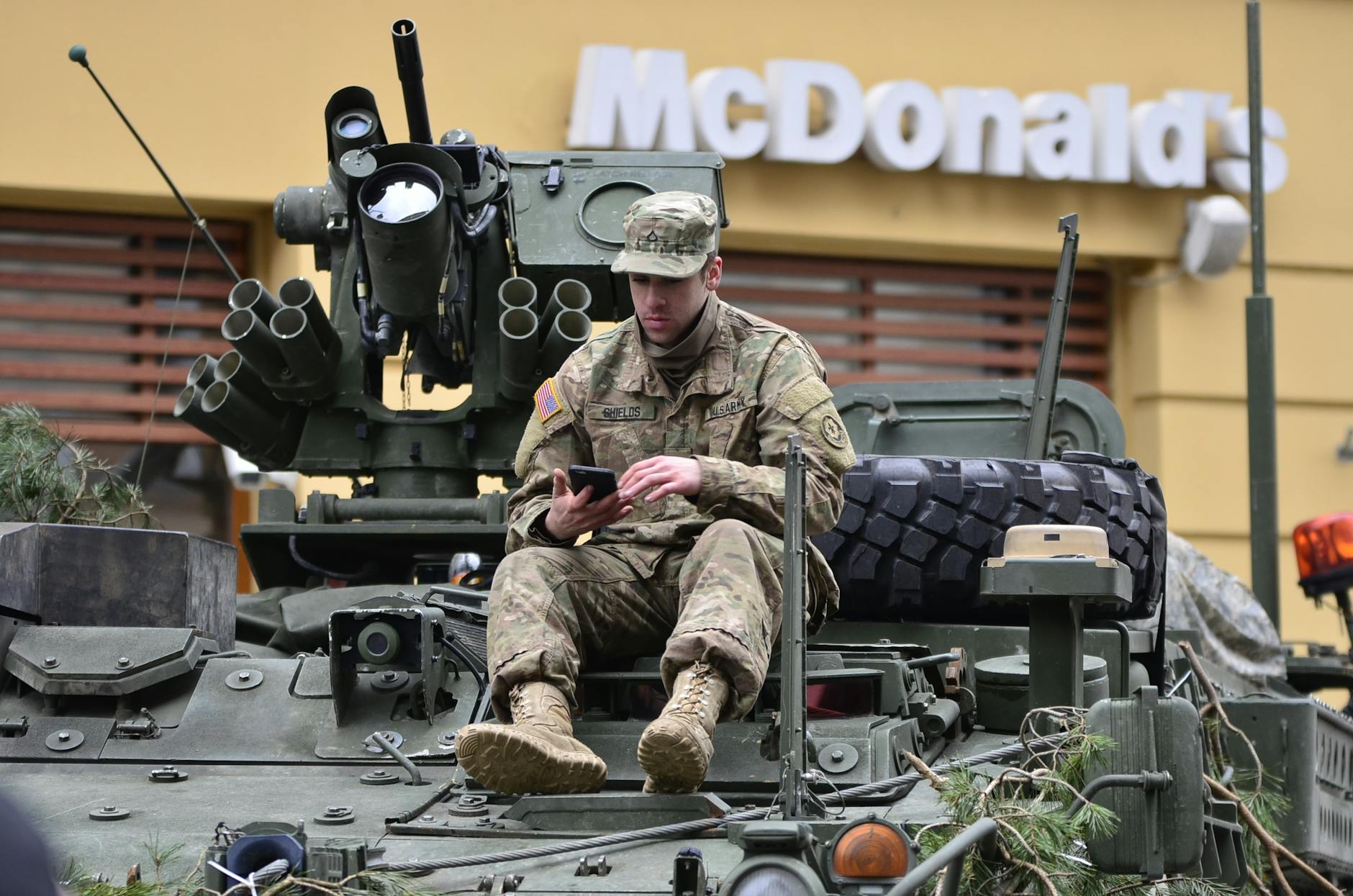
In a move that has ignited a firestorm of controversy, the National Guard has been deployed to Washington D.C., transforming the nation’s capital into a highly fortified zone. The deployment, ordered by the President, is ostensibly in response to a surge in crime and violent protests, but it has been met with immediate and forceful opposition from local officials, civil liberties advocates, and a number of prominent lawmakers. The decision has not only raised serious questions about the use of military forces for domestic law enforcement but has also highlighted a deepening fissure between the federal government and the District’s local leadership.
The administration’s rationale for the deployment centers on the need to restore order and protect federal property. In a public address, the President cited a recent spike in homicides and a series of violent demonstrations as justification for the action. He also invoked the Insurrection Act, a 218-year-old law that allows a president to use the military to suppress an insurrection or enforce federal laws. According to the administration’s lawyers, this act provides a clear legal basis for the deployment, and they argue that the presence of the Guard is necessary to support the Metropolitan Police Department, which they contend is overwhelmed and unable to manage the situation on its own.
However, the Mayor of D.C. has vehemently opposed the deployment, calling it an “unnecessary and provocative” action. The Mayor, along with other local officials, has stated that they did not request the Guard’s presence and that the deployment is a violation of the city’s autonomy. This friction is a clear expression of a long-standing tension between the federal government and the District of Columbia, which lacks full statehood and therefore has limited authority over its own National Guard. While the Guard is typically under the command of the Mayor, the President has the authority to federalize it, a power that critics argue is being abused for political purposes.
The deployment has also drawn fierce condemnation from a number of civil liberties groups and legal experts. The American Civil Liberties Union (ACLU) has threatened legal action, arguing that the deployment of military forces for domestic policing violates the Posse Comitatus Act, a law that broadly prohibits the use of the U.S. military to enforce domestic laws. While the Insurrection Act can override this prohibition, critics contend that the conditions necessary to invoke the act—a genuine insurrection or a failure of local authorities to enforce the law—have not been met. They fear that this deployment sets a dangerous precedent, normalizing the use of the military to quash political dissent and intimidate citizens who are exercising their constitutional right to protest.
Beyond the legal and political debate, the deployment has had a palpable effect on the city itself. Downtown D.C. is now patrolled by uniformed military personnel, a sight that has been described by some residents as unnerving and intimidating. For many, the presence of the Guard is not a source of reassurance but a stark symbol of a country where the lines between civil law enforcement and military action are becoming increasingly blurred. The deployment has also diverted critical resources from other areas, as the federal government shoulders the cost of the operation. The ultimate impact of this action on public safety and political discourse remains to be seen, but for now, the capital stands as a deeply divided city, with one side seeking to restore order through force and the other fighting to preserve civil liberties in the face of what they see as a gross overreach of power.
Leave a Reply