
In a dramatic and unprecedented diplomatic rupture, Australia has expelled Iran’s ambassador and three other diplomats, marking the first time the country has taken such a severe measure since the end of World War II. The extraordinary action follows a deeply disturbing conclusion reached by the Australian Security Intelligence Organisation (ASIO), which has gathered what it describes as “credible intelligence” directly linking the Islamic Republic to a series of antisemitic arson attacks within Australia’s borders. This bold move underscores the Albanese government’s commitment to protecting its citizens and serves as a powerful message to foreign powers seeking to sow discord and instability.
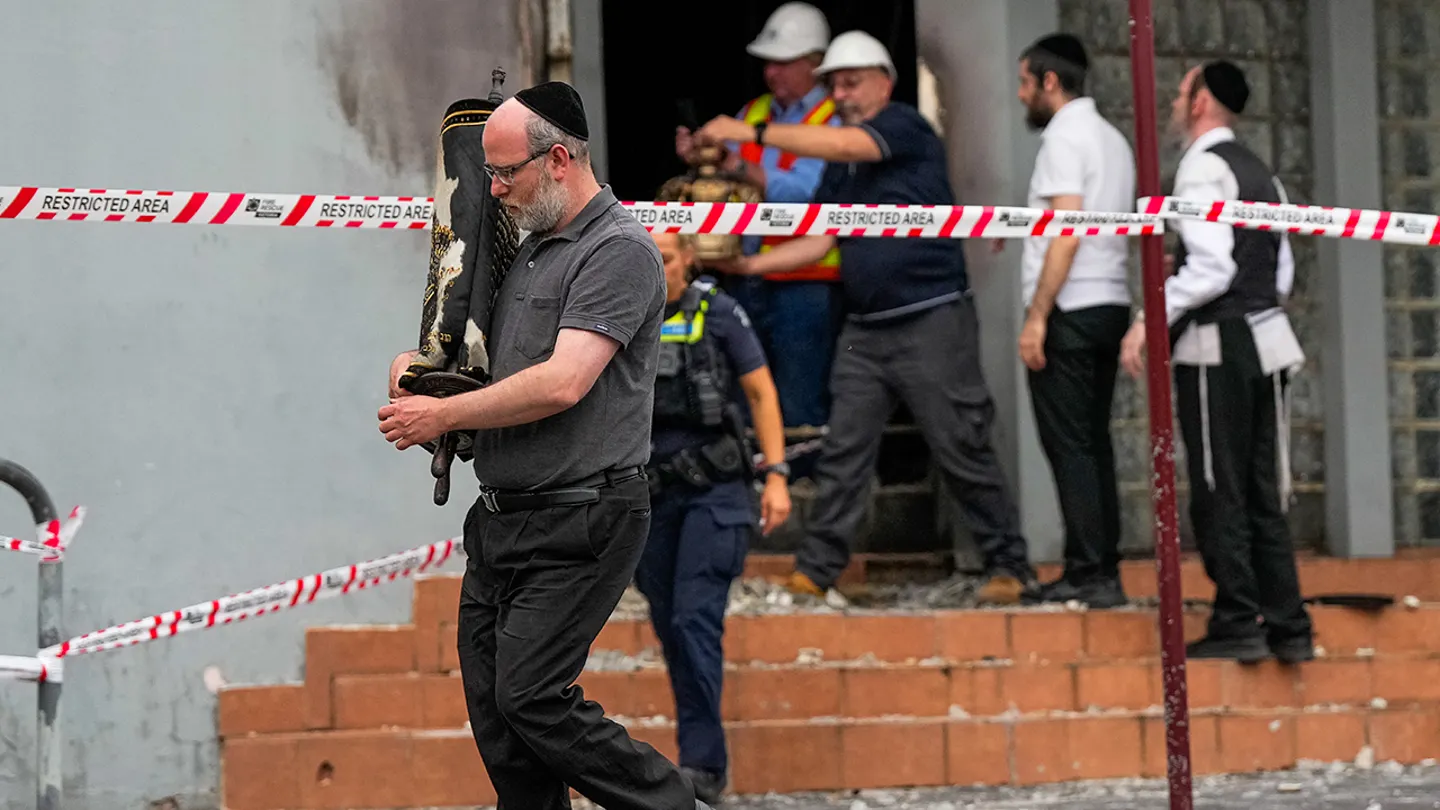
The intelligence findings, made public by Prime Minister Anthony Albanese in a press conference, allege that Iran’s Islamic Revolutionary Guard Corps (IRGC) orchestrated at least two, and likely more, of the attacks. The specific incidents cited were the arson attack on the Lewis Continental Kitchen, a kosher food company in Sydney, and the firebombing of the Adass Israel Synagogue in Melbourne. According to ASIO’s Director-General Mike Burgess, the IRGC utilized a “complex web of proxies” and “cut-outs” to mask its involvement, reportedly paying local criminals to carry out the acts of aggression. This sophisticated and clandestine method of operation, Burgess noted, is a clear escalation in foreign interference, moving from traditional espionage to acts of terror and violence aimed at undermining social cohesion.
The Australian government has been unwavering in its condemnation. Prime Minister Albanese, flanked by key ministers, described the attacks as “extraordinary and dangerous acts of aggression orchestrated by a foreign nation on Australian soil.” He stated that the government’s response was not only a measure of accountability but a clear and unequivocal statement that such actions “will not be tolerated.” In addition to expelling the diplomats, Australia has suspended operations at its embassy in Tehran and withdrawn its diplomatic staff for their safety. The Department of Foreign Affairs and Trade has also updated its travel advisory for Iran to its highest level, urging all Australians currently in the country to leave as soon as it is safe to do so. These measures collectively signal a profound downturn in diplomatic relations, a shift from a decades-long policy of cautious engagement to a more confrontational stance.
The gravity of the situation is further highlighted by Australia’s plans to legislate the formal designation of the IRGC as a terrorist organization. This move, a first for the country, is a direct response to the intelligence findings and is intended to provide law enforcement and security agencies with more robust tools to counter the IRGC’s influence. While the expulsion of diplomats has generated headlines, the legislative action against the IRGC could have more lasting and significant consequences, affecting a wide range of individuals and entities with ties to the group. The move has received bipartisan support in Australia, with the opposition leader expressing her disgust at the “chilling foreign interference.”
Iran, for its part, has denied all allegations, dismissing Australia’s actions as baseless and politically motivated. A spokesperson for Iran’s Foreign Ministry claimed the expulsion was a “compensation” for Australia’s recent decision to recognize a Palestinian state. This counter-narrative frames Australia’s move as an attempt to appease Israel and distance itself from its own human rights record. Despite Iran’s denial, the Australian government stands by its intelligence and has dismissed the accusations of political pandering. The incident adds another layer of complexity to the already strained global security environment, where the conflict in the Middle East has increasingly spilled over into other nations, manifesting in targeted attacks and diplomatic confrontations. The Australian-Iranian relationship, a long-standing but often testy one, has now reached a new and dangerous low, with both sides signaling a readiness for further retaliatory measures. The coming weeks will likely see a reciprocal expulsion of Australian diplomats from Tehran, further solidifying the diplomatic chasm and leaving the future of the relationship in profound uncertainty.
Source links from this article:
- Australia expels Iranian diplomats, accuses country of directing antisemitic arson attacks
- Australia accuses Iran of directing anti-Semitic attacks, expels envoy | News | Al Jazeera
- Iranian ambassador expelled over ‘credible intelligence’ Iran directed antisemitic attacks on Australian soil – The Guardian
- Press conference – Parliament House, Canberra | Prime Minister of Australia
Leave a Reply