
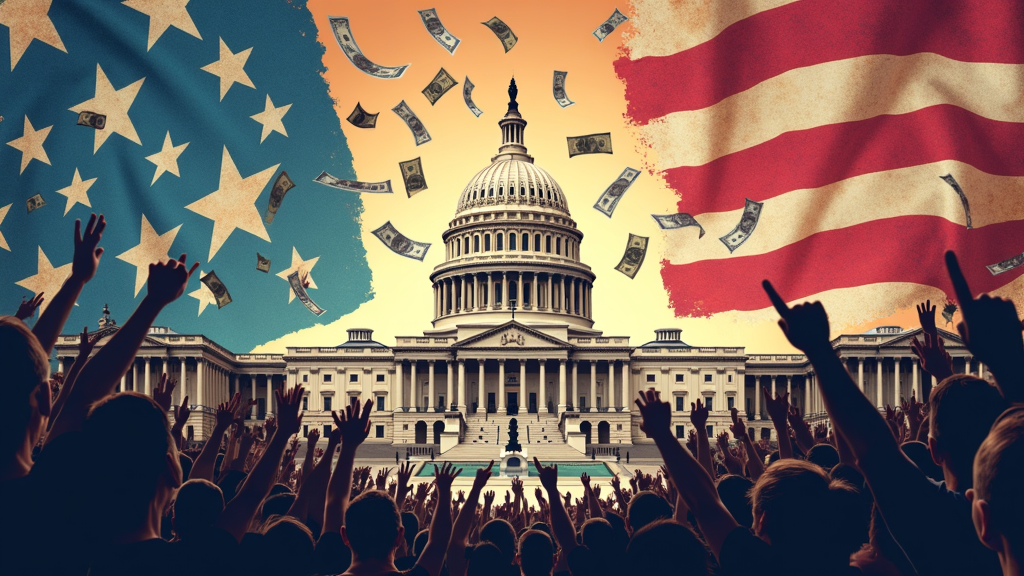
Corruption in America has become an undeniable reality, permeating every level of government and influencing the very fabric of democracy itself. From political corruption that prioritizes personal gain over public service to the insidious quid pro quo and pay-for-play politics, the integrity of our institutions is at risk. Citizens are witnessing the erosion of democracy as those in power operate with impunity, dismissing ethical standards for their own benefit. This systemic issue transcends party lines, revealing a troubling trend of bipartisan corruption that undermines the principles of governance. As we confront this crisis, it is crucial to acknowledge the role of money in politics and the urgent need for reforms that restore accountability and transparency to our democratic processes.
The landscape of moral decay in American governance reflects a troubling increase in unethical practices, where the lines between public duty and private interest blur alarmingly. This phenomenon, often referred to as cronyism or institutional corruption, highlights a disturbing shift in how power is leveraged for personal gain. It is the underhanded dealings and nepotism that threaten the democratic ideals on which this nation was founded, demonstrating a blatant disregard for the very people leaders are meant to serve. As the public scrutinizes these practices, it becomes imperative to consider the long-term effects on civic trust and the collective response necessary to counteract the decline of democratic values.
Understanding Corruption in America
Corruption in America has transitioned from a whispered taboo to an openly accepted norm in political discourse. This alarming shift indicates a fundamental disconnect between the governing powers and the will of the people, where illicit practices like pay-for-play and quid pro quo have become synonymous with political transactions. Instead of being the exception, these corrupt practices careen into mainstream expectancies, suggesting that democracy is not only eroding but being actively dismantled by those in power.
The consequences of this normalization of corruption are devastating for citizens. As politicians engage in an endless cycle of loyalty-driven appointments and questionable financial dealings, the integrity of public office diminishes. Democracy, whose strength lies in accountability and representation, finds itself undermined by a system that prioritizes personal gain and patronage over governance for the public interest.
Frequently Asked Questions
What is the impact of political corruption on democracy in America?
Political corruption in America has led to the erosion of democracy, making practices like quid pro quo and pay-for-play politics commonplace. This normalization creates a culture where power is concentrated among the elite and ordinary citizens feel disenfranchised.
How does bipartisan corruption affect American governance?
Bipartisan corruption undermines American governance by creating a system where both parties engage in corrupt practices, leading to a lack of accountability and transparency. This compromises the integrity of institutions and erodes public trust in democracy.
What are the signs of corruption in American politics?
Signs of corruption in American politics include quid pro quo arrangements, pay-for-play practices, gerrymandering, and the normalization of conflicts of interest. These practices contribute to a perception of governance serving the rich and powerful rather than the public.
How has quid pro quo become accepted in American politics?
Quid pro quo has become accepted in American politics as politicians and public figures openly engage in exchanges of favors for financial support, eroding ethical standards and blurring the lines between personal gain and public service.
What role do campaign finance laws play in preventing corruption in America?
Strong campaign finance laws are essential in preventing corruption in America. By capping donations and increasing transparency, these laws can help limit the influence of big money donors, restore integrity to the electoral process, and reduce the opportunities for corrupt practices.
How does corruption influence the economy in the United States?
Corruption influences the economy in the United States by directing resources and contracts to a select few, often resulting in policies that favor billionaires at the expense of ordinary citizens. This can lead to wage stagnation, increased poverty, and further economic disparities.
What can citizens do to combat corruption in America?
Citizens can combat corruption in America by actively participating in civic engagement, demanding accountability from their representatives, supporting watchdog organizations, and advocating for campaign finance reform to limit the influence of money in politics.
How does the erosion of democracy manifest through corruption?
The erosion of democracy manifests through corruption when unethical practices like pay-for-play politics and quid pro quo arrangements become normalized, leading to a loss of public trust, diminished accountability, and fewer checks and balances on power.
What historical examples demonstrate the prevalence of corruption in America?
Historical examples such as Watergate, the Iran-Contra affair, and recent allegations against public figures illustrate the long-standing presence of corruption in America. These instances reveal systemic issues that challenge the integrity of state and federal governance.
Why is accountability important in addressing corruption in American politics?
Accountability is crucial in addressing corruption in American politics as it promotes transparency, deters unethical behavior, and restores public trust in governmental institutions. Without accountability, corrupt practices can flourish unchecked, leading to further erosion of democracy.
| Key Points |
|---|
| Corruption in America has become normalized, blurring the lines between public office and personal gain. |
| Pay-for-play and quid pro quo practices are openly accepted, undermining democratic values. |
| High-profile scandals, from Watergate to recent political controversies, illustrate the long-standing nature of corruption. |
| Both political parties have entrenched interests that perpetuate corruption, creating a bipartisan issue. |
| Increasing influence of money in politics leads to diminished accountability and public trust. |
| Proposed reforms, such as campaign finance reform and stronger oversight, are essential for restoring integrity. |
| Citizen engagement in governance is crucial to combat corruption and hold leaders accountable. |
Summary
Corruption in America is a pervasive issue that has reached alarming heights, threatening the very foundations of democracy. The normalization of unethical practices has eroded public trust and accountability, showcasing the urgent need for systemic reforms and citizen activism. By recognizing the bipartisan nature of corruption and engaging in the democratic process, Americans can begin to reclaim their nation from the grips of dishonesty and restore integrity to public service.
Introducing Autowp, the leading AI content generator and AI content creator plugin designed specifically for WordPress users. With Autowp, effortlessly produce high-quality content that captivates your audience and enhances your website’s SEO, all powered by cutting-edge artificial intelligence technology. Take your content creation process to the next level and watch your site thrive with innovative, engaging articles tailored just for you. To remove this promotional paragraph, upgrade to Autowp Premium membership.
Leave a Reply