
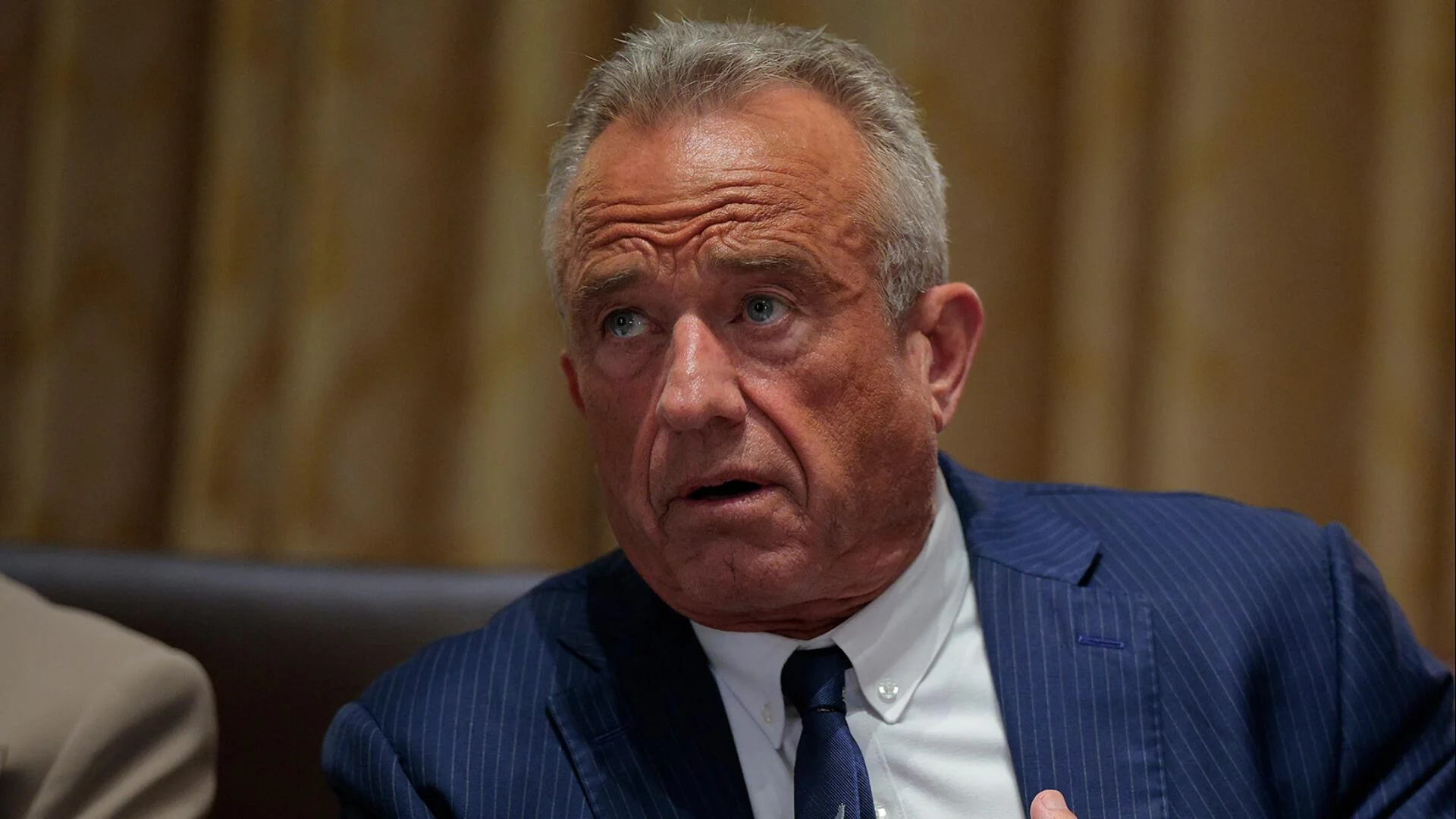
A new and increasingly bitter political battle has erupted in Washington, D.C., with Democrats and a coalition of public health experts launching a scathing critique of the “Make America Healthy Again” (MAHA) commission’s latest report. The report, overseen by Health and Human Services Secretary Robert F. Kennedy Jr., has become the focal point of a fierce debate over the future of American healthcare, particularly concerning childhood chronic diseases and immunization policies. Critics argue that the commission’s recommendations are not only scientifically flawed but also politically motivated, designed to dismantle decades of established public health practices.
The controversy stems from the commission’s new 20-page report, which, while promising to address childhood diseases and improve children’s health, has been widely criticized for its lack of detail and its focus on controversial topics. At the heart of the opposition is Kennedy’s well-documented skepticism about vaccines. The report’s call for more rigorous government investigations into vaccine injuries and a new vaccine injury research program has raised alarms among medical professionals and lawmakers. Public health experts, including the president of the American Academy of Pediatrics, Dr. Susan J. Kressly, have warned that such policies could undermine public confidence in immunization, leading to a rise in preventable diseases. This fear is compounded by Kennedy’s recent actions at the Centers for Disease Control and Prevention (CDC), where he fired the agency’s director and replaced a federal vaccine advisory panel with his own hand-picked experts.
Beyond the vaccine debate, the report has drawn fire for what critics say are glaring omissions and industry-friendly proposals. Despite Kennedy’s long-standing criticisms of corporate influence, the MAHA report notably fails to propose restrictions on ultra-processed foods and common pesticides like glyphosate and atrazine. This has led environmental advocates and food policy analysts to label the report as “a gift” to big agriculture and a document that reads like “an industry wishlist.” Critics also point to the fact that the report omits leading causes of childhood death, such as gun violence and environmental hazards, while pushing for deregulatory measures that could weaken existing health and safety protections.
The Democratic opposition is not monolithic, but it is united in its concern over the direction of the Trump administration’s health policy. Democratic lawmakers have grilled Kennedy in congressional hearings, accusing him of making decisions based on politics rather than science. They have also raised alarms about the administration’s budget cuts to key federal health programs like Medicaid, which they argue will ultimately lead to worse health outcomes for the nation’s most vulnerable citizens.
The clash over the MAHA report highlights a fundamental divide in the American political landscape. The commission’s populist approach, which emphasizes personal responsibility and distrust of traditional public health authorities, stands in stark contrast to the views of the mainstream medical community and most Democrats. The report, with its focus on “corporate capture” and its criticism of the pharmaceutical and food industries, has resonated with a diverse group of supporters. However, the opposition remains steadfast, warning that the MAHA agenda is not only a threat to public health but also an attempt to undo decades of progress in scientific research and disease prevention. The battle lines have been drawn, and the debate over the health of America’s children is far from over.
Leave a Reply